When choosing a commercial security system to safeguard and monitor employees, property, and assets, consider important factors such as features and benefits, cost, technology and equipment, smart integrations, installation methods, and more.
As a business owner, protecting your employees, property, and assets should never be an afterthought, especially with commercial properties and small businesses experiencing burglaries every 10 seconds.
According to Federal Bureau of Investigation (FBI) 2019 crime statistics, 37.2 percent of all reported burglaries occurred at non-residences, including stores and offices. With these statistics and other concerns, adding a commercial security system to your business provides peace of mind—even when you’re not there.
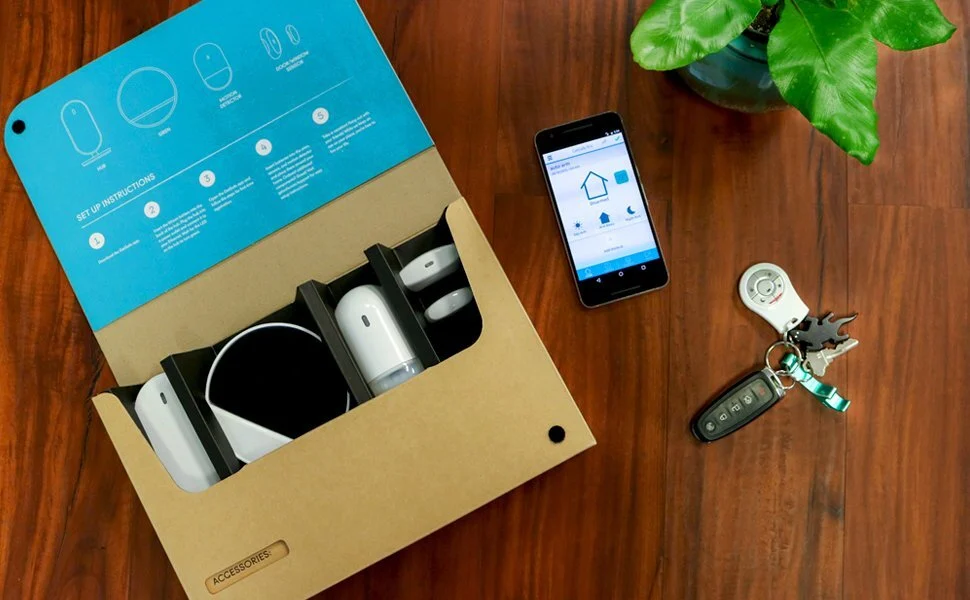
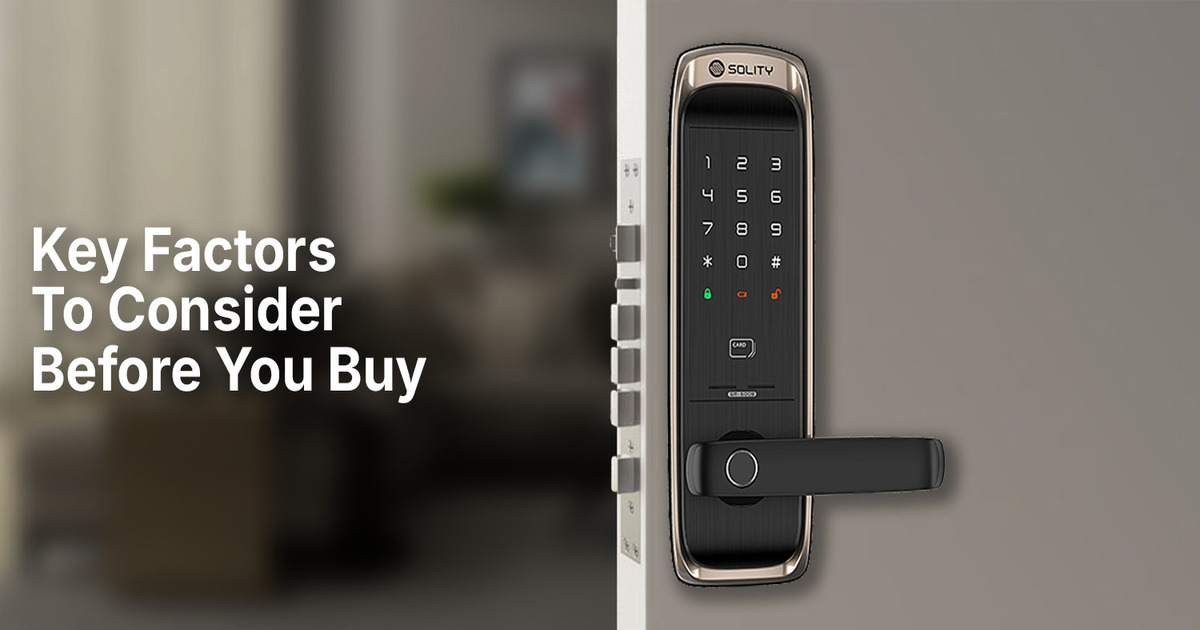
Whether you implement security cameras, alarm systems with 24/7 Central Station Monitoring, smart door locks, fire and life safety devices, keycard entry access systems, or other devices, it’s wise to pair these with smart technologies. Offered through your security provider’s mobile app, this feature provides real-time alerts via any mobile device.
Commercial security systems can also help improve team productivity, through Alarm.com Business Activity Analytics. This analyzes invaluable data such as customized temperature control, employee communication and accountability, open/close reports, and multi-location reporting.
This comprehensive guide includes the many aspects of commercial security systems, such as features, benefits, costs, technology and equipment, smart integrations, and more.
What is it?
Features & Benefits
Cost
Choosing for your Needs
Technology, Devices & Equipment
Smart Technology Integrations & Capabilities
Productivity Monitoring & Business Activity Analysis
Why Do Small Businesses Need them?
DIY vs Professional Installation
Employee & Business Safety
What Is a Commercial Security System?
Designed to keep trespassers, intruders, and burglars at bay, commercial security systems provide real-time monitoring and surveillance through alarm systems and security cameras. Other technologies and equipment can include keycard access control, intercom systems, fire and life safety, and smart technologies. Service providers such as General Security offer extended features including VoIP phones and fleet monitoring and tracking for one-stop shopping. Employee communications and productivity also benefit, through specialized data and analytics reporting. While business owners can pick and choose what’s best, understanding various technologies and available features can be cumbersome.
Whether you require a standalone alarm system, or a full commercial security solution, it’s best to enlist a professional for an on-site inspection and survey, along with customized technology recommendations.